
What “off-grid” really means
The phrase has been stretched until it means almost nothing. Most cabins listed as off-grid on UK booking platforms are connected to mains electricity, mains water and mains drainage. They have a wood burner. That is rural — not off-grid.
A genuinely off-grid stay disconnects from all four utilities. Power comes from solar panels and battery storage. Water comes from a borehole, spring or rainwater tank. Hot water is heated by a wood-fired stove or rocket boiler. Waste goes to a composting toilet and a sealed greywater system. There is no meter, no bill and no cable into the site.
The point is not asceticism. The point is that the cabin is genuinely independent of national infrastructure — which means it can be sited where infrastructure does not reach: deep inside working forests, at the top of upland tracks, inside the buffer zones of nature reserves. Places that are quiet because they are hard to reach.
Why vehicle access matters
Off-grid is geographic, not just technical. Sites that are genuinely remote sit at the end of unmade tracks — forestry roads, hill tracks, single-vehicle approaches. The vehicle you arrive in determines the realistic catchment of sites you can stay at.
A capable AWD will manage some sites in dry conditions. A genuine 4WD with proper ground clearance — Defender, Hilux, Land Cruiser, Wrangler, Discovery, Patrol — will manage all of them, year-round. Otium specifies 4WD at every site for this reason.
The seven Otium sites
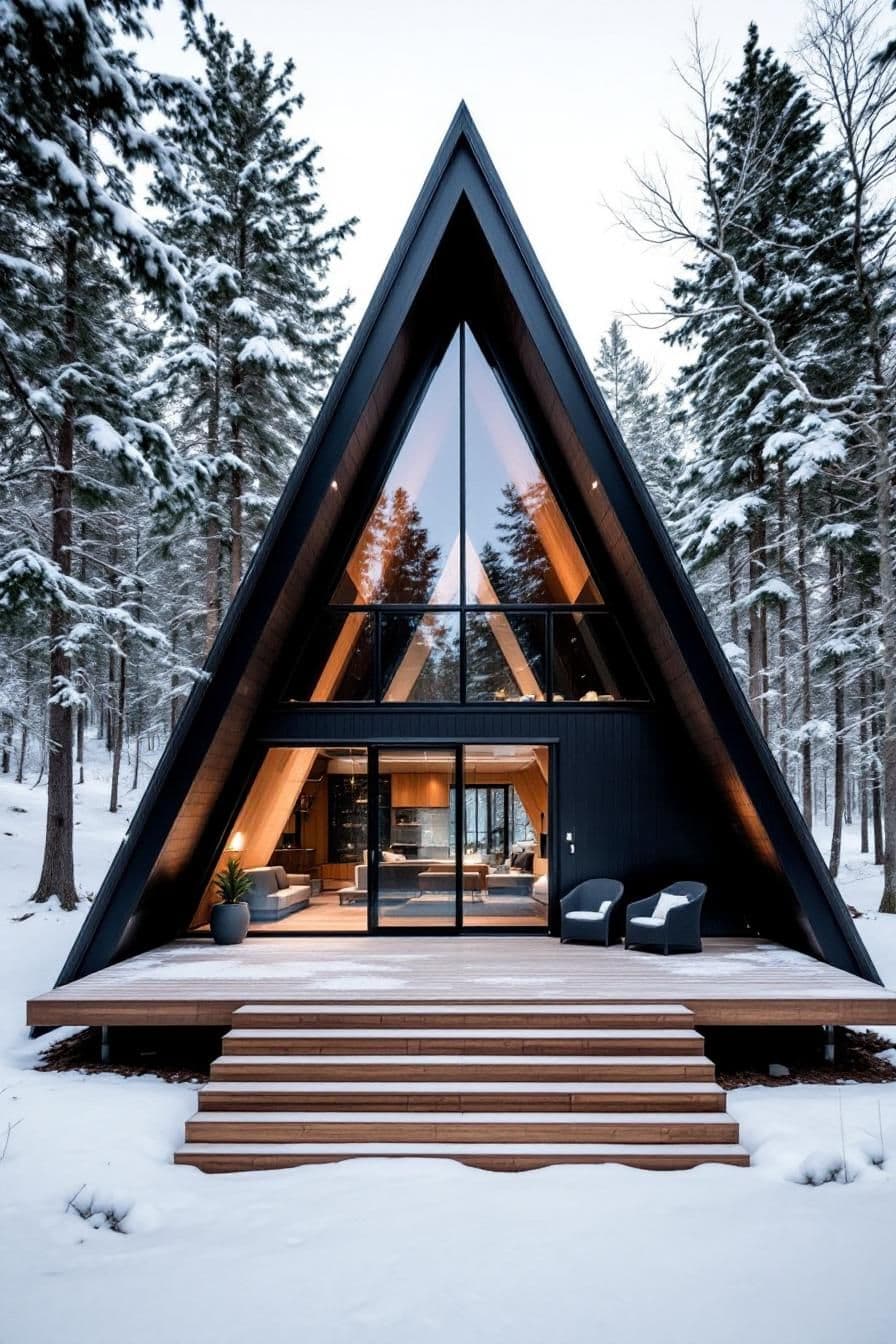
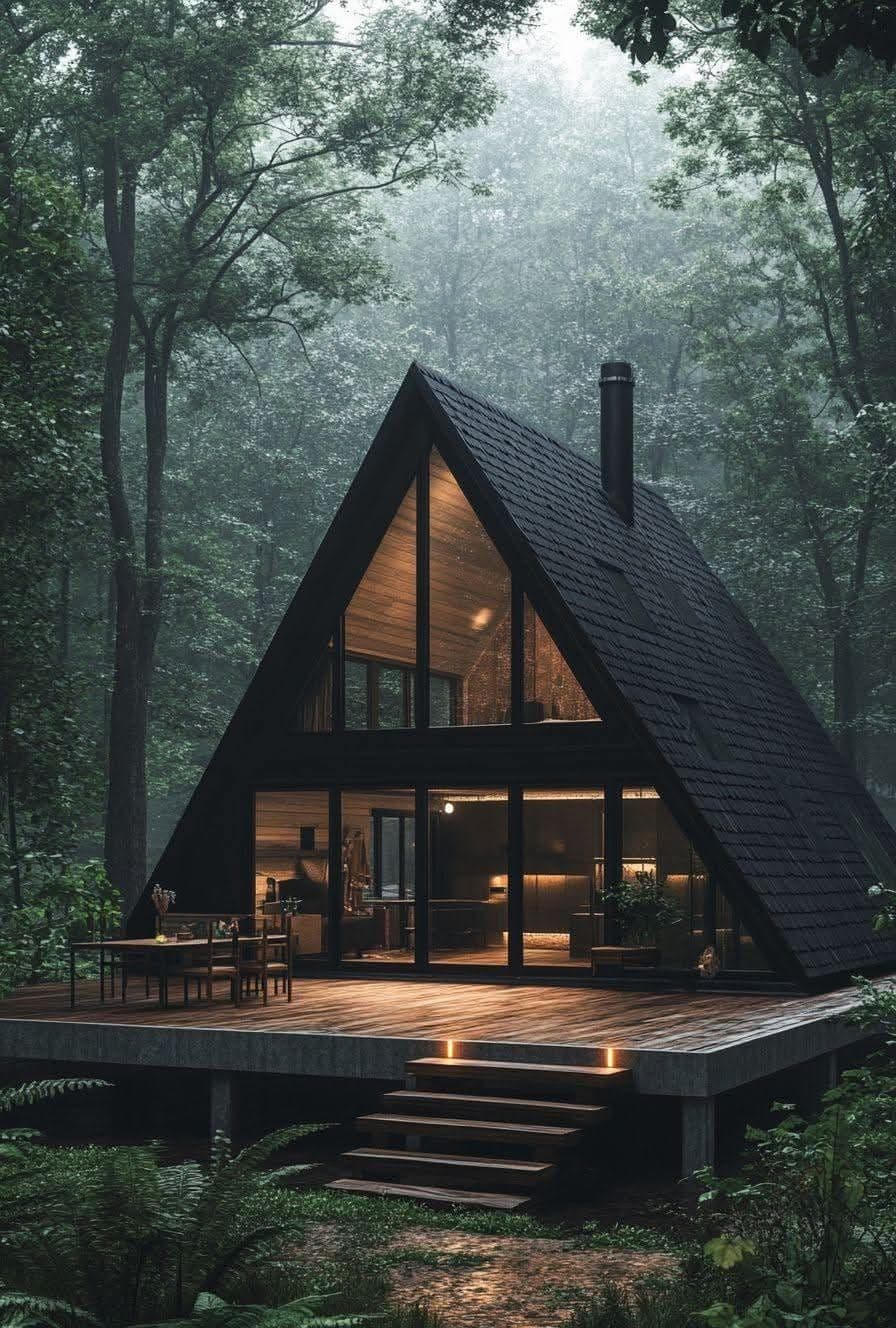
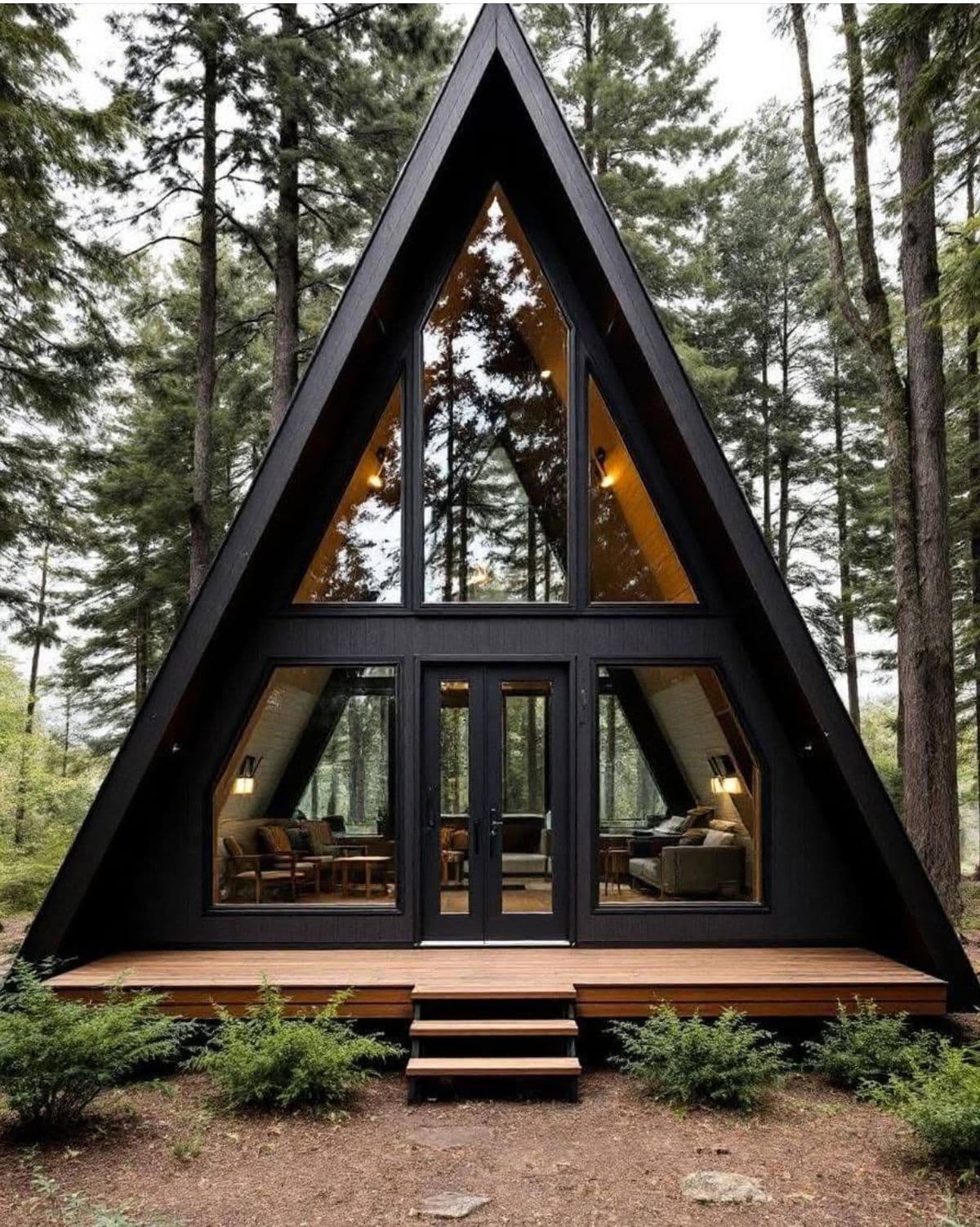
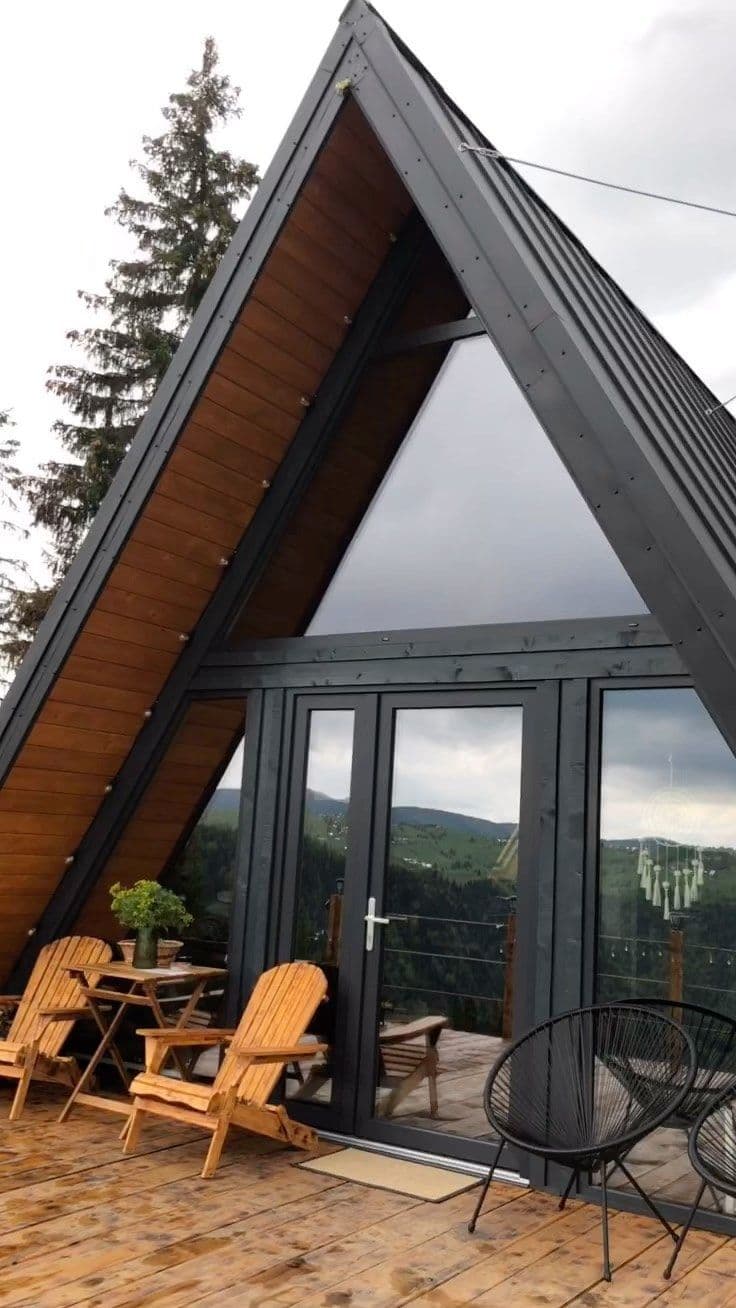
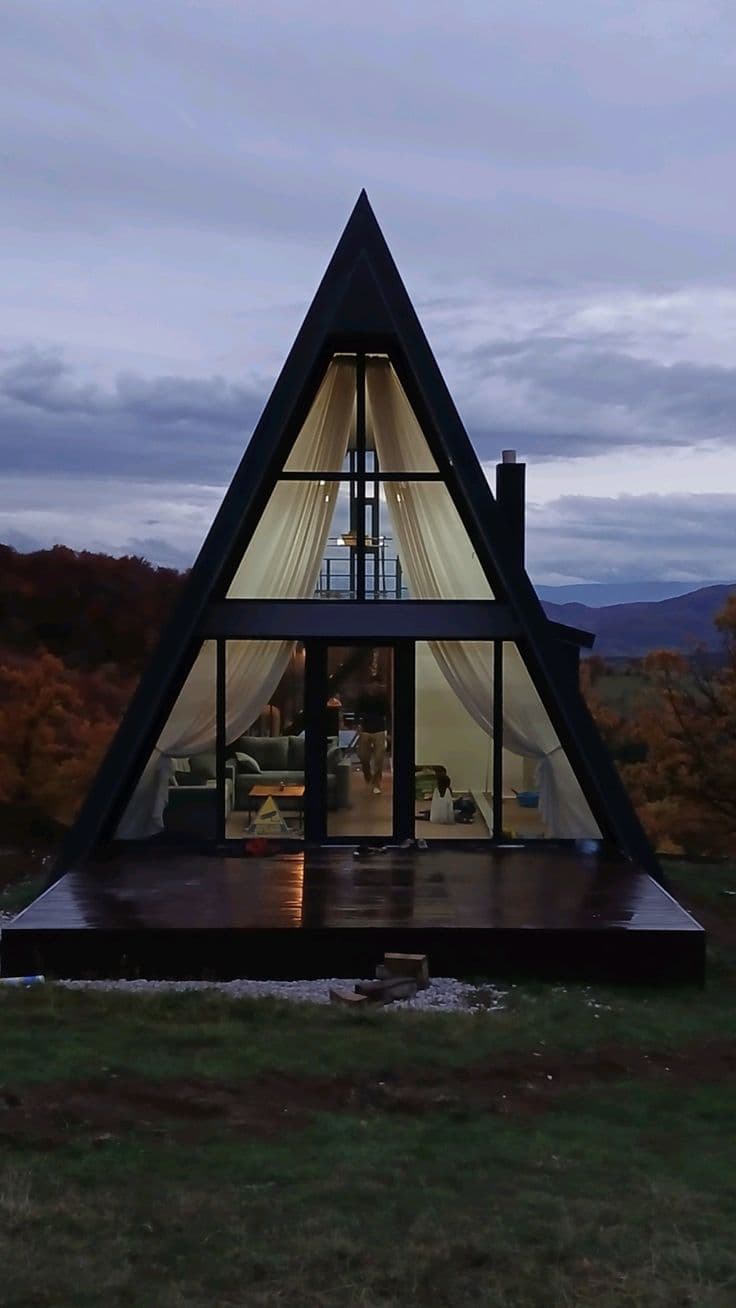
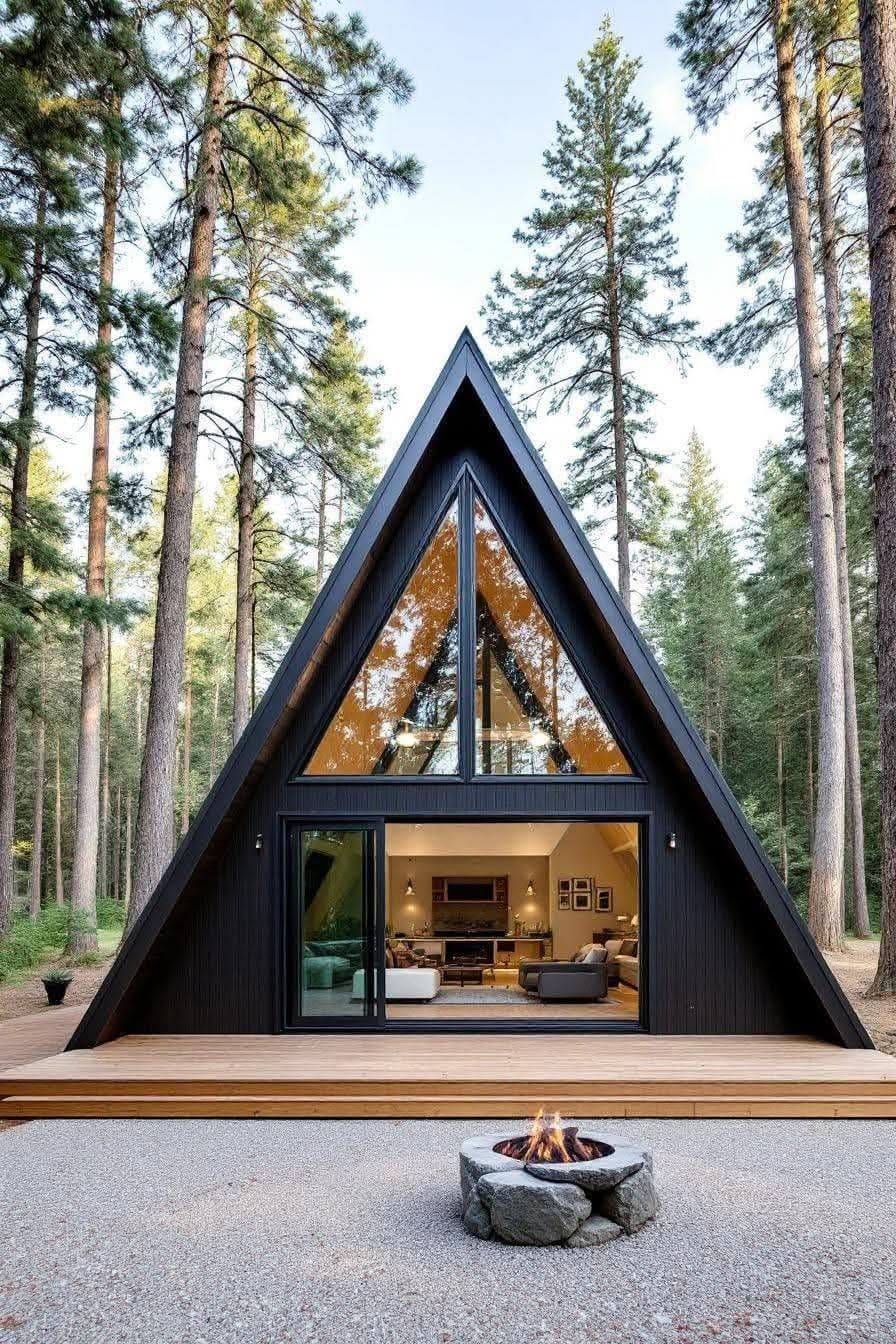
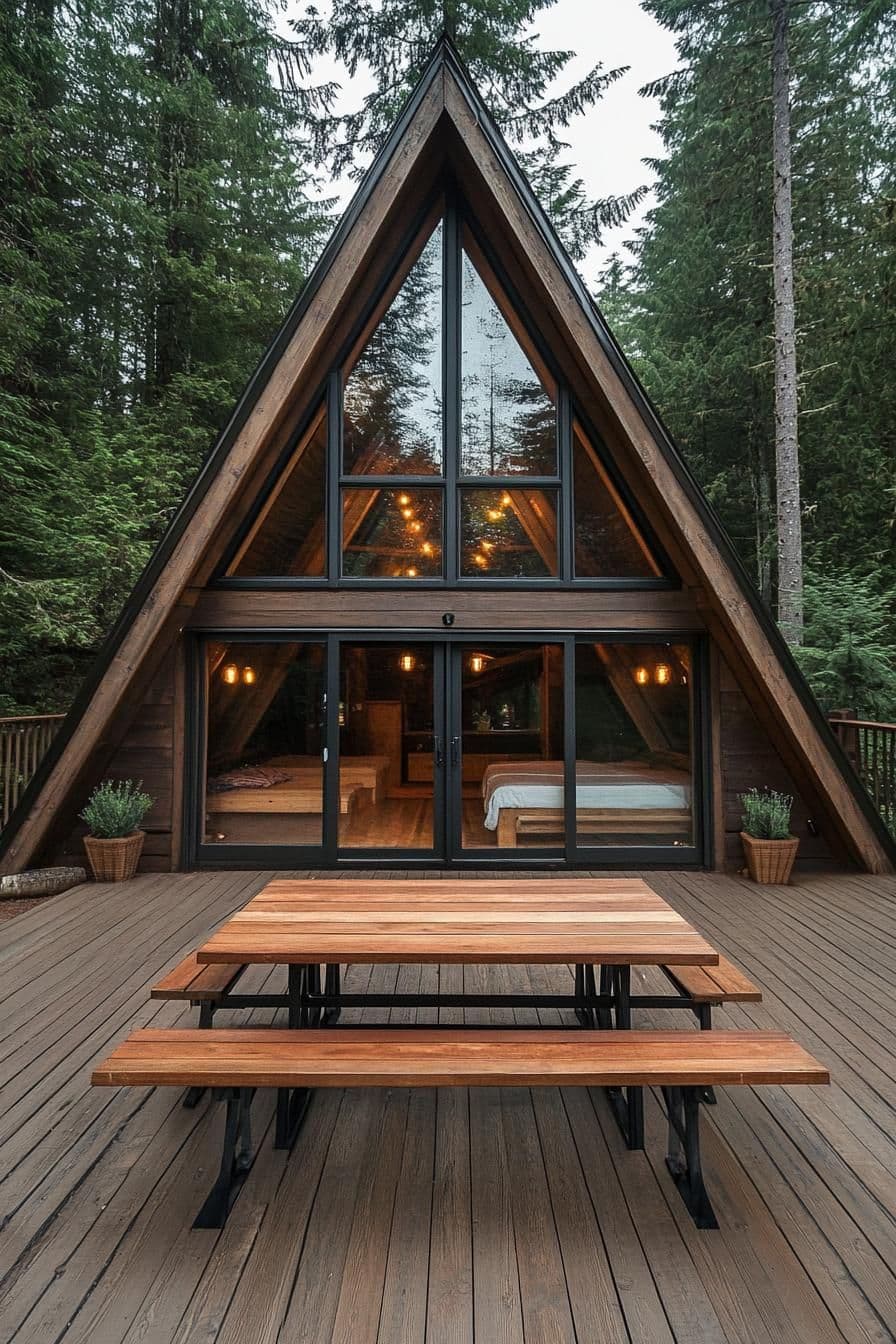
Otium is a UK woodland conservation network operating seven off-grid A-frame sites across England, Wales and Scotland. Every stay funds active restoration work on the land you sleep on — native broadleaf planting, ancient-woodland surveying, invasive species removal and access-track maintenance.
How to choose the right site
Most remote, hardest access: Kielder Deep, Galloway Deep, Brecon Hollow. Genuine 4WD essential. Best for confident off-grid travellers and dark-sky priority.
Genuinely remote, moderate access: Grizedale Silver, Haldon Stand, New Forest Edge. Capable AWDs will manage in dry conditions. A good first off-grid stay.
Easiest access, ancient woodland: Wyre Oak. Firm forestry track, the most accessible site in the network, and the lowest price point.
What to bring
Firewood, kindling and fire-lighting equipment are provided. You bring food, drink, bedding (linen is provided — bring your own pillows if particular), torches with spare batteries, layers for the temperature drop after sundown, and a paper map for the area. We send GPS coordinates 48 hours before arrival. There is no signal once you are on the approach track — the map is not optional.
Frequently asked questions
What does "off-grid" actually mean?
A genuinely off-grid stay is disconnected from mains electricity, water and sewage. Power comes from solar (or occasionally wind), water is from a borehole or tank, hot water is wood-fired and waste is composted on-site. Most "off-grid" listings on UK booking platforms are not — they are rural cabins on the grid with a wood burner. Otium sites are off-grid in the literal sense.
Do I need a 4x4 to stay at an off-grid cabin?
For most genuinely remote sites, yes. Forestry tracks, unmade approaches and steep gradients are common. Otium requires 4WD at every site — the access is part of the experience. Soft-roaders and crossovers will struggle on at least three of our seven sites.
Will I have phone signal or WiFi?
No. Genuine off-grid sites are remote enough that mobile signal is unreliable to non-existent and WiFi would require a satellite link. Download maps and any reading material before you set off.
Are off-grid cabins suitable in winter?
Yes — and arguably better. Wood burners, dark skies and frozen woodland change the character of a stay completely. Vehicle access becomes more demanding: chains or winter tyres in the boot are sensible from November to March.
How is an off-grid cabin different from glamping?
Glamping prioritises comfort, decoration and instagrammability. Off-grid prioritises remoteness and self-sufficiency. There is no daily housekeeping, no concierge, no bar. You arrive with what you need, you leave the site as you found it.
Can I bring my dog?
Not at Otium sites — several sit inside ancient woodland or NNR buffer zones where ground-nesting birds and small mammals would be disturbed. Other UK off-grid operators do allow dogs; check site-by-site.