
The model in one paragraph
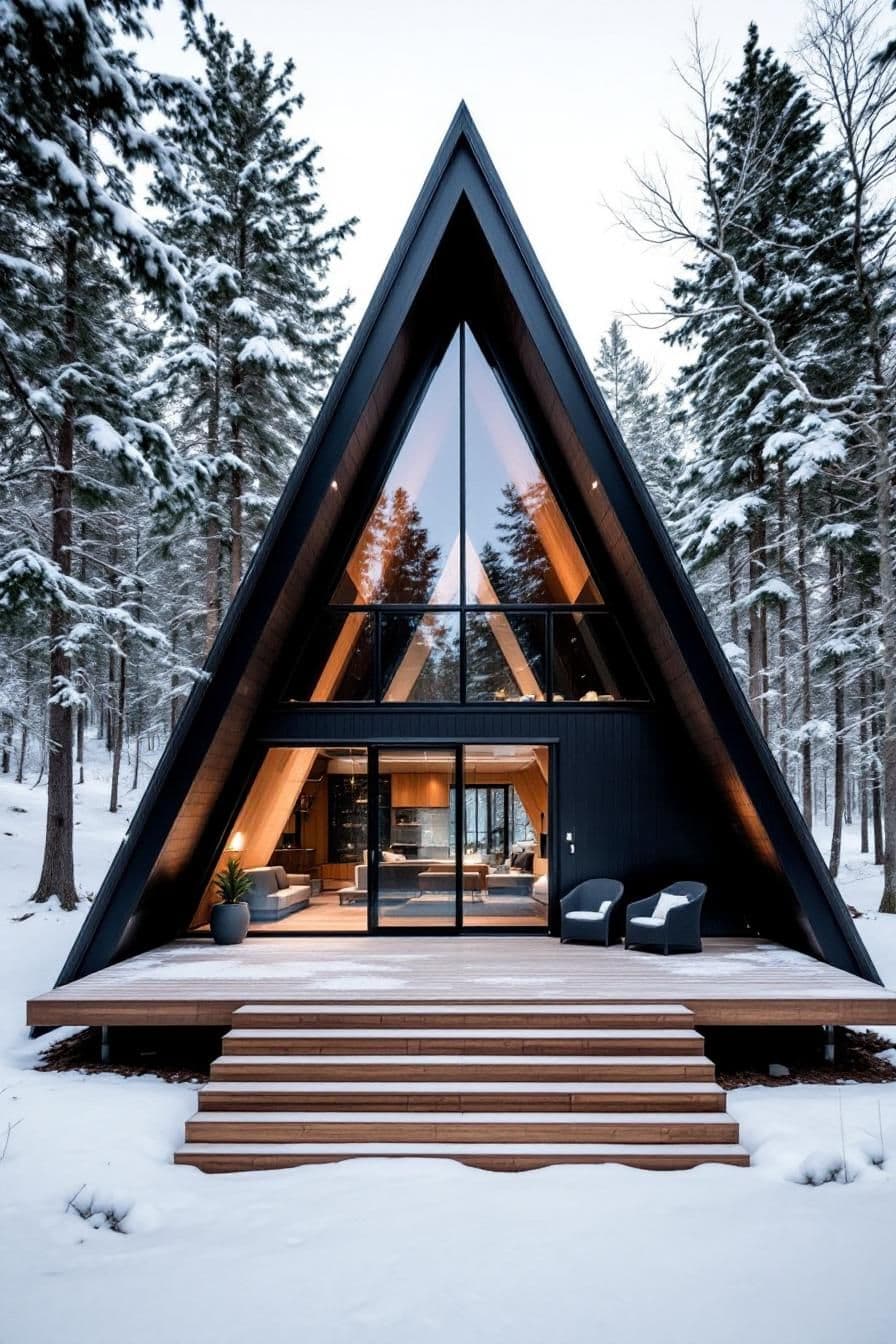
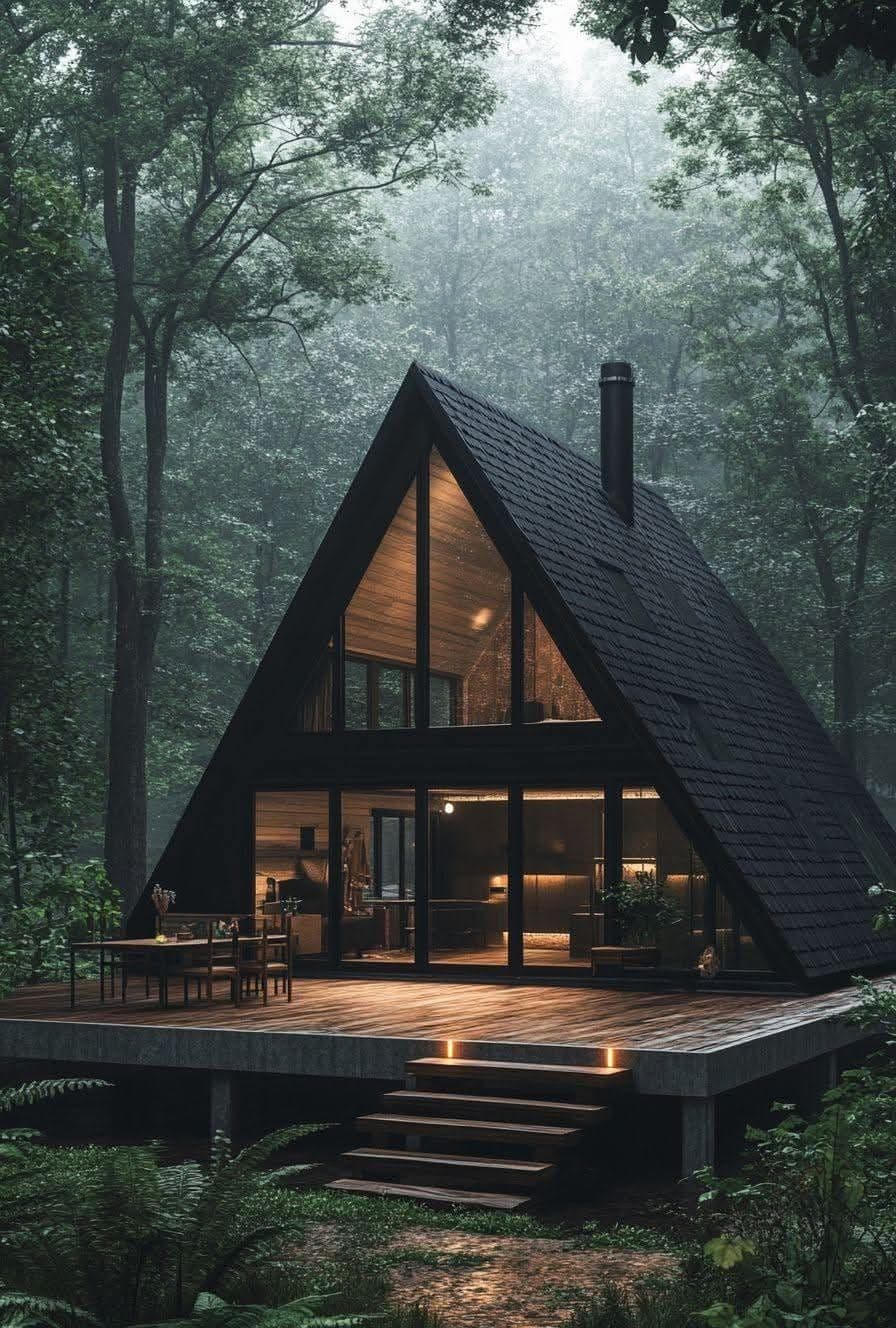
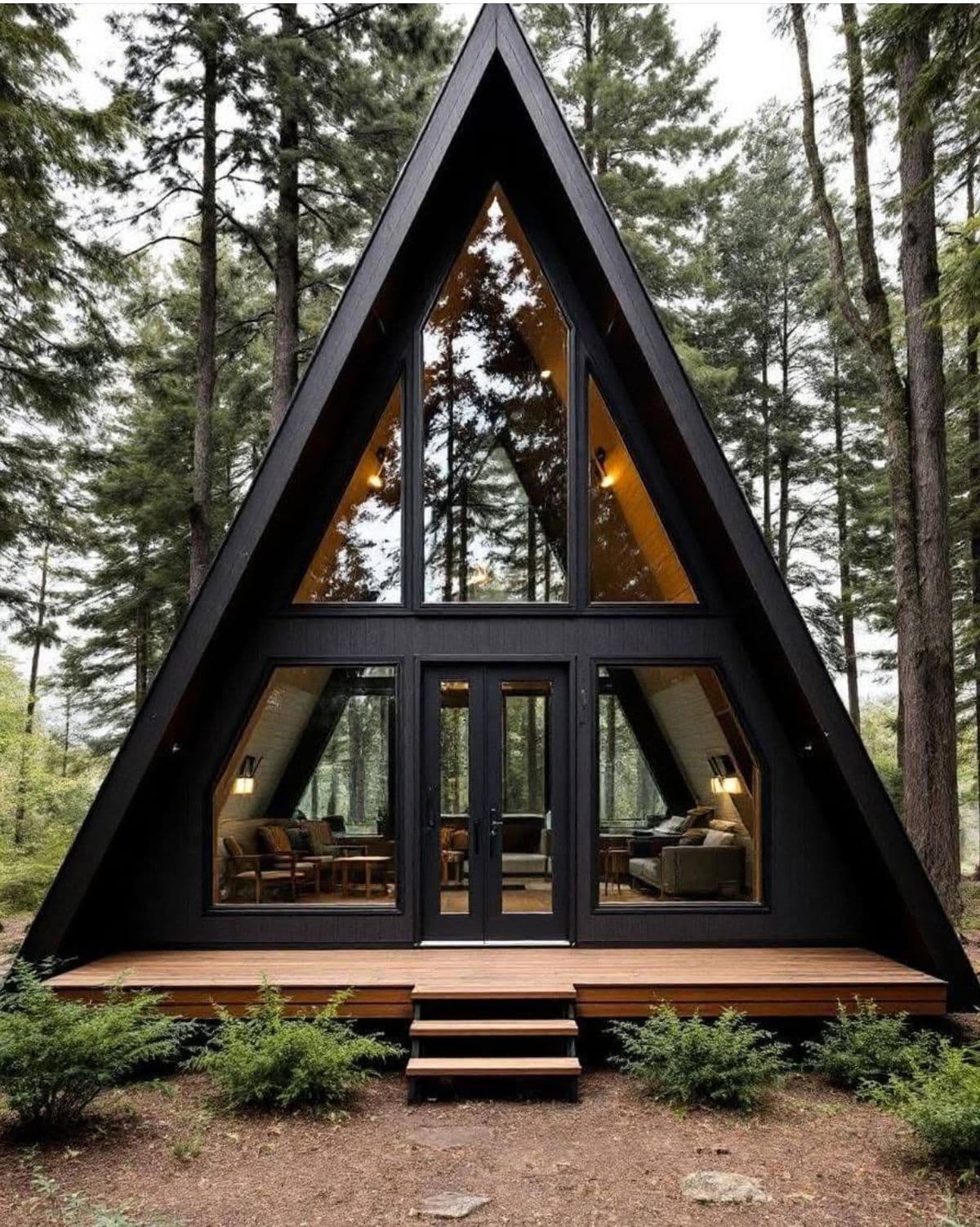
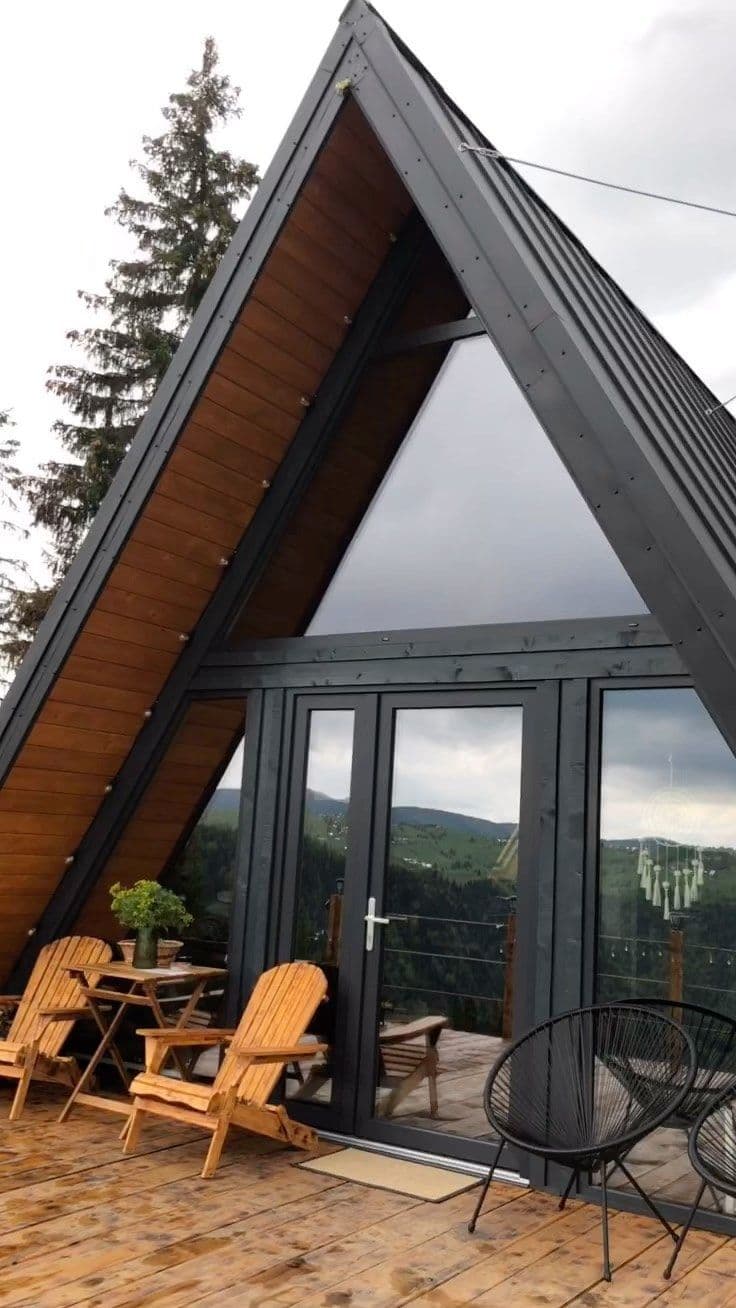
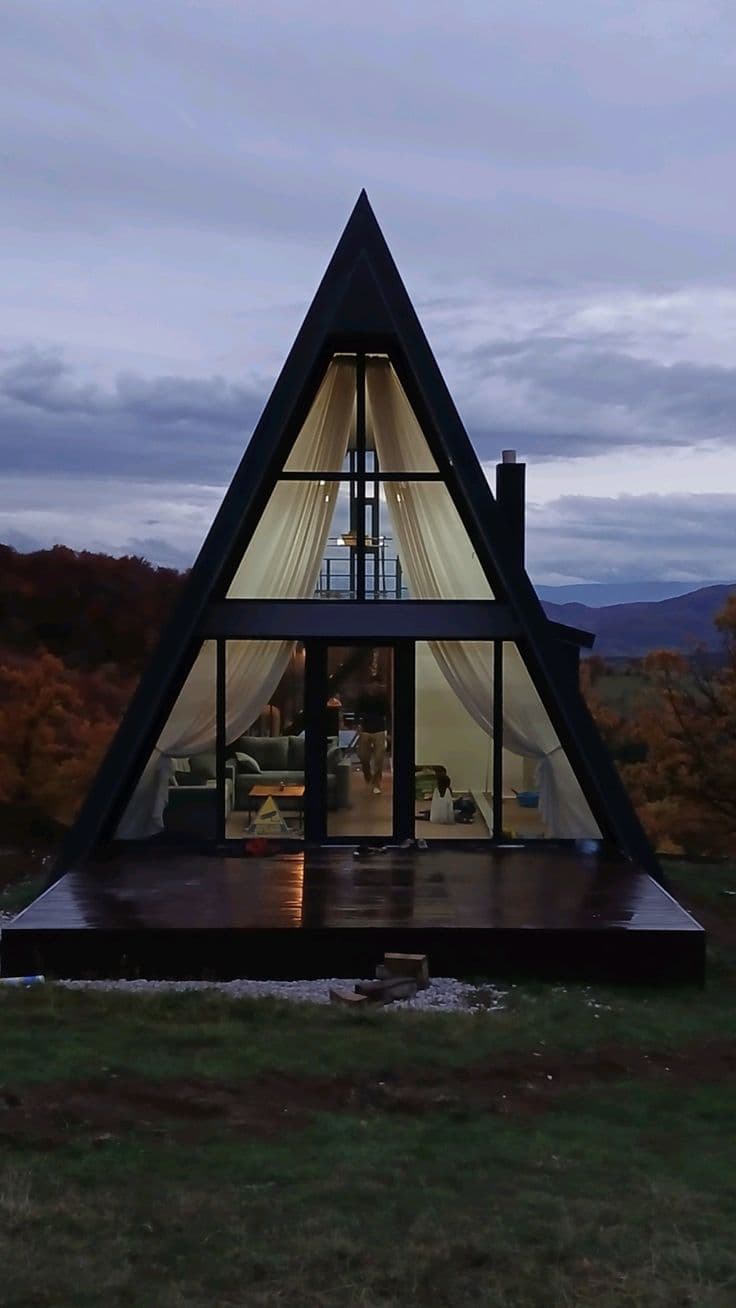
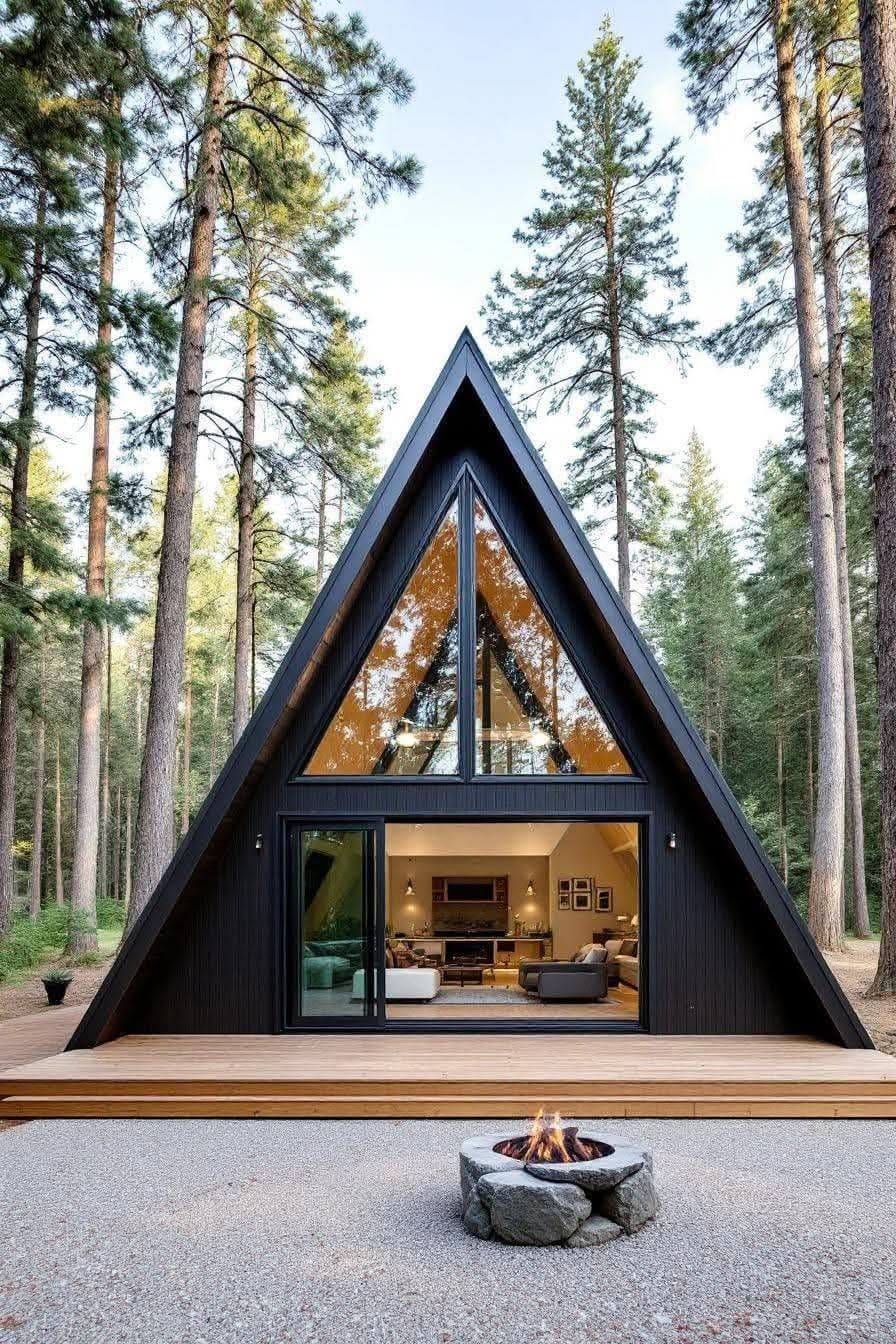
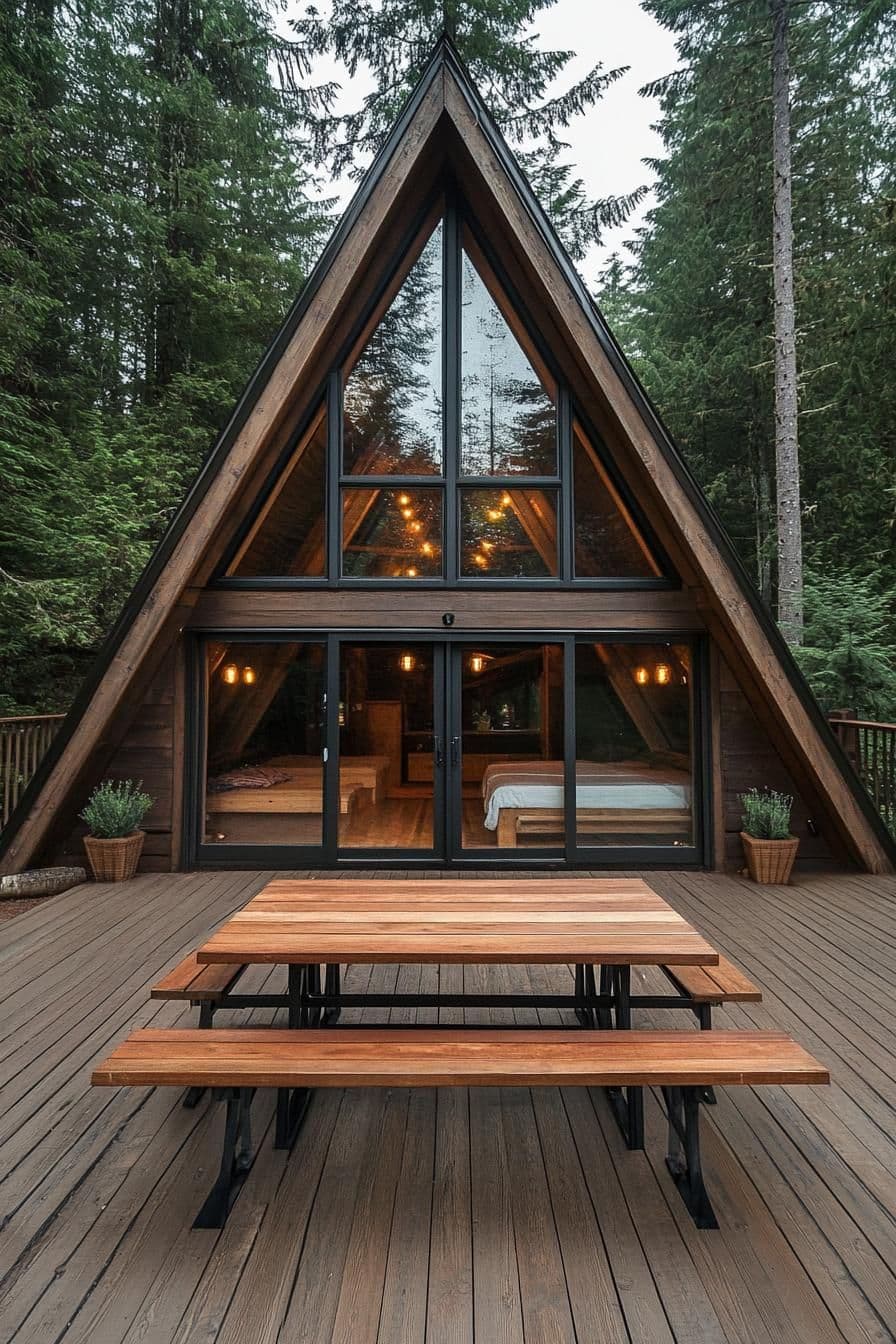
Otium is a UK woodland conservation network. We operate seven off-grid A-frame sites — each placed inside ancient or actively managed forest. A portion of every stay is ring-fenced for restoration work at the specific site you book. The work is carried out by regional partners — Wildlife Trusts, NNR teams, woodland ecologists. We fund, they execute, and we publish what was done.
What the funding actually pays for
Native broadleaf planting — replacing commercial conifer monoculture along clearing edges with oak, beech, rowan, hazel and field maple. Long-cycle, slow-return work that mainstream forestry will not fund.
Ancient-woodland surveying — annual ecological monitoring of veteran trees, ground flora, dormouse populations, lichen indicator species. Particularly material at Wyre Oak, which sits inside an NNR buffer zone.
Invasive species removal — rhododendron in Galloway, sycamore regeneration in Grizedale, Himalayan balsam along watercourses. Slow, recurring work that releases the native canopy.
Access-track and habitat maintenance — keeping forestry tracks passable without widening them, clearing windblow, maintaining ride margins for ground-nesting birds and butterflies.
Why “eco” isn't the same thing
An eco-stay is a building. A conservation stay is a piece of land.
Most accommodation marketed as eco focuses on what happens inside the cabin: solar power, low-VOC paint, plant-based breakfast, a recycling bin. All useful. None of it restores anything. Conservation work happens outside the building, often before any guest arrives, and continues whether or not anyone is sleeping in the cabin that week.
The two ideas are compatible — Otium sites are also off-grid, solar-powered and low-impact in operation. But the active restoration is what justifies the model. Without the funding flow to the land, the cabin is just another rural rental.
The seven conservation sites
Reporting and transparency
We publish per-site quarterly reports — what was funded, what was done, photos where useful. Conservation work is slow by nature; the reports reflect that. Some quarters are heavy on planting, others on survey results, others on access maintenance. Nothing is invented.
Frequently asked questions
How does my booking fund conservation?
A portion of every stay is ring-fenced for the specific site you book. Funds go directly to the conservation work on that land — native broadleaf planting, ancient-woodland surveying, invasive species removal (rhododendron, sycamore regen, Himalayan balsam) and access-track maintenance. We publish quarterly site reports.
Who carries out the conservation work?
Each Otium site has a dedicated conservation partner — usually a regional Wildlife Trust, an NNR warden team or an independent woodland ecologist. We do not do the work ourselves; we fund and report on it.
How is this different from a normal "eco" stay?
Most accommodation marketed as eco or sustainable focuses on operations: low-energy fittings, recycled materials, plant-based menus. Useful, but the impact stops at the building. A conservation stay funds active restoration of the land beyond the cabin — habitat, species, soils. The two are not the same thing.
Can I see the work happening on-site?
Yes, depending on the season. Planting happens November to February; surveys happen April to July; track maintenance and invasive clearance year-round. Several sites have signage at the clearing edge explaining the current programme.
Do I need any environmental knowledge to stay?
No. The conservation funding happens automatically with your booking. Guests are welcome to read up on the site they are visiting, but the experience is the cabin and the land — not a workshop.